

The trust factor
Hiring is a risk decision. Why the most qualified candidate doesn't always get the offer, and how to tell if you're building the trust that does.
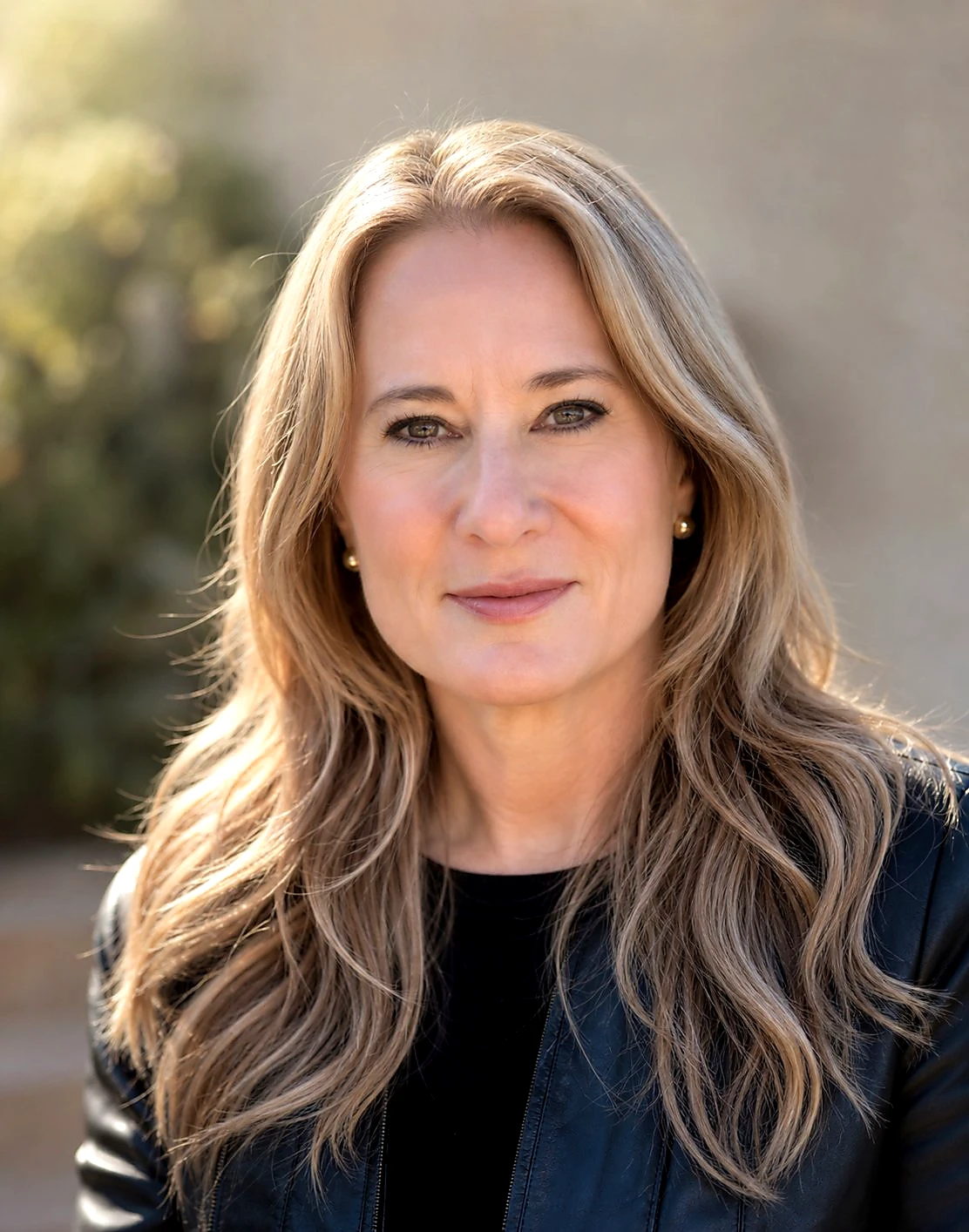 Susan Callaghan, Founder

Candidates are rightfully frustrated when the person hired instead of them doesn't seem to be the most qualified on paper. They don't know why that candidate was chosen, and nobody is able to tell them.
One big reason: the other candidate most likely did a better job of building trust. Hiring is a risk decision. The offer usually goes to the candidate the decision maker felt the least risk in saying yes to. Many candidates don't know what builds that trust, or don't know they need to prioritize it.
Did the other candidate have more skills? Were they more qualified or more experienced than you? If not, it's safe to assume they did a better job of making it less risky to say yes to them.
Why saying yes is a big deal
When a hiring manager says yes to a candidate, they're not just filling a role. They're putting their name next to yours.
A hire is one of the most visible decisions a manager makes. They often have to present and defend their choice to their boss, their peers, or a hiring committee. If the person they chose struggles, everyone knows who vouched for them.
The cost of getting it wrong lands on them. Their team picks up the slack. Their strongest people start to wonder about their judgment. Their goals depend on what this role delivers. And fixing a bad hire is slow and painful: months of coaching, performance plans, and HR conversations, followed by starting the search all over again.
There's a political cost too. If someone in the debrief raised a concern and the manager overrode it, a bad outcome becomes "I told you so." In some organizations, one visible miss can quietly limit a career.
The upside is just as real. A great hire makes the manager look good. People notice who builds strong teams, and a reputation for spotting talent is how leaders get ahead.
So when a hiring manager weighs two strong candidates, the question isn't only "Who can do this job?" It's "Who am I most confident won't make me regret saying yes?"
That confidence is trust.
Think about your last interview
What did you do to earn that confidence?
Trust is built through consistency. What you say, how you say it, and how you prove it all have to line up. Mixed signals break it, and most of us don't even realize it's happening. None of this is about being a perfect candidate. It's about being aware of the signals you send.
What you say
Every open role exists because someone has a problem to solve. The job description tells you what the company wants. It doesn't tell you what the hiring manager is struggling with. You have to figure that out.
When you prepared, did you pause to think about what's going on in the hiring manager's world and what they're up against? In how many of your answers did you show you understood the problem? Did what you say prove you're the type of person who can solve it? Did you back up your statements with metrics and results that were believable, and did they stay the same across every interview?
How you say it
AI has made polished answers easy for everyone, which means interviewers hear the same answers over and over. Sounding polished is easy. Sounding credible isn't.
Did you sound like yourself, or like an answer you memorized? When they asked a follow-up, did your answer hold up, or did the polish fall away? Were you willing to say what didn't go perfectly, or what you'd do differently? Did you answer the question they asked, or the one you prepared for?
You don't need perfect answers. You need answers you can stand behind.
How you prove it
Did you help the interviewer understand how you make decisions? Did your behavior match what you said? Or did you describe yourself as fast-paced, with a high sense of urgency? Then, when asked about cross-functional collaboration, did you share a story about an overly complicated, detailed process you implemented?
You may have made the right decision. You just didn't prove it.
Humans make decisions based on signals. When signals conflict, it creates doubt. Doubt means risk. Risk leads to no. Did you send any conflicting signals during your interview?
How much trust are you building?
I've seen countless candidates taken out of consideration because they broke trust without realizing it. The misstep wasn't intentional. They weren't trying to hide anything. They just didn't prepare in a way that gave them room to show up authentically and build a foundation for a yes a hiring manager can stand on.
The candidates getting selected are mitigating risk in three ways. They understand the problem the hiring manager is trying to solve. They sound credible, not just polished. And they send consistent signals, backed by proof.
Think about your last interview again. Are you seizing every opportunity?
Another way to ask it: put yourself in the hiring manager's chair. Based on the information you shared and the signals you sent, would you trust the person across the table?
Reading about it is a start. Practicing it is what changes the outcome.
Bring what you're working through to a discovery call and we'll build a plan around it.